Replace anesthetic

For minor procedures VR is an option at hospitals and dentists to keep patients distracted and relaxed during the procedures[19]. VR has been proven to make the patients feel less anxious and stressed, delivering a benefit more measurable than drugs.
Increase empathy for patients
Understanding what life would be like with a finger missing, having tunnel vision or being unable to lift your hand above you head is difficult for a doctor to imagine. Using VR to simulate these environments allows the doctor to have what some patients really need on the road to recovery, empathy.Treatment
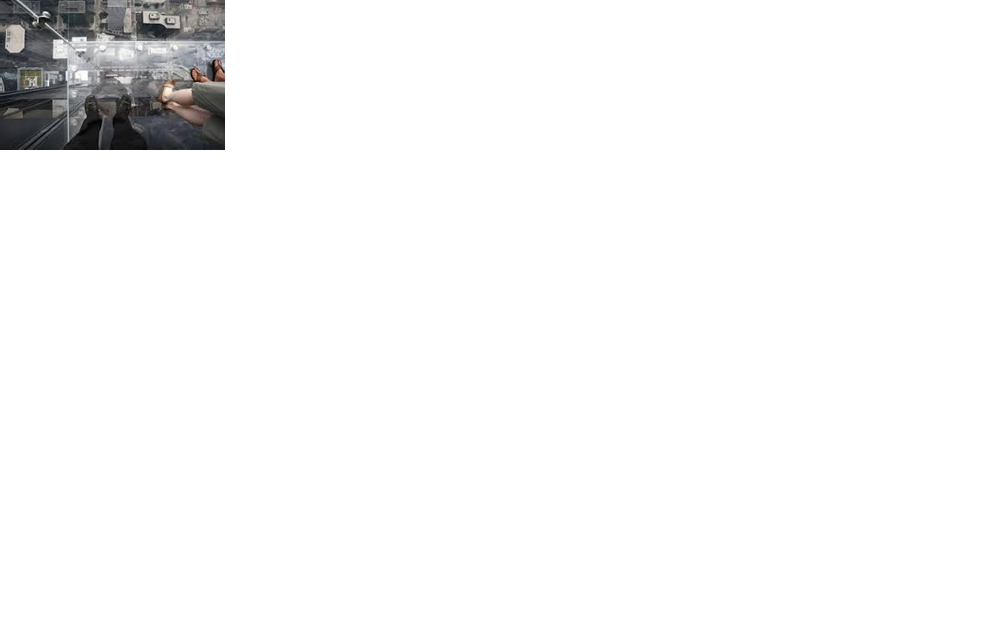
Virtual reality can be used to assist patients overcoming fears and phobias, and it also allows patients who are trapped in the hospital (such as cancer patients) to be able to relax more and relieve stress in their own world. Studies show this reduces the amount of pain a patient receives.
Phobia’s can be reduced or eliminated by simulating the condition in a safe environment allowing the person to experience the phobia for a few minutes and building up slowly in a way that cannot be done physically. One common fear that is addressed this way is the fear of flying[20].Robotic Surgery
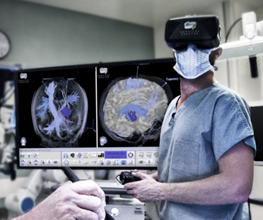
Using approved VR platforms[21] doctors can plan and rehearse a surgery before doing it. Robot Assisted Surgery (RAS) is becoming more common and full tele-surgery is on the horizon. In Tele-surgery the hospital would project the operating room view back to the surgeon who would control a robot who is physically present and perform the surgery. Using gloves that provide touch feedback, the head mounted displays show the operating room, and headphones provide communication with the patient and on-site staff.